
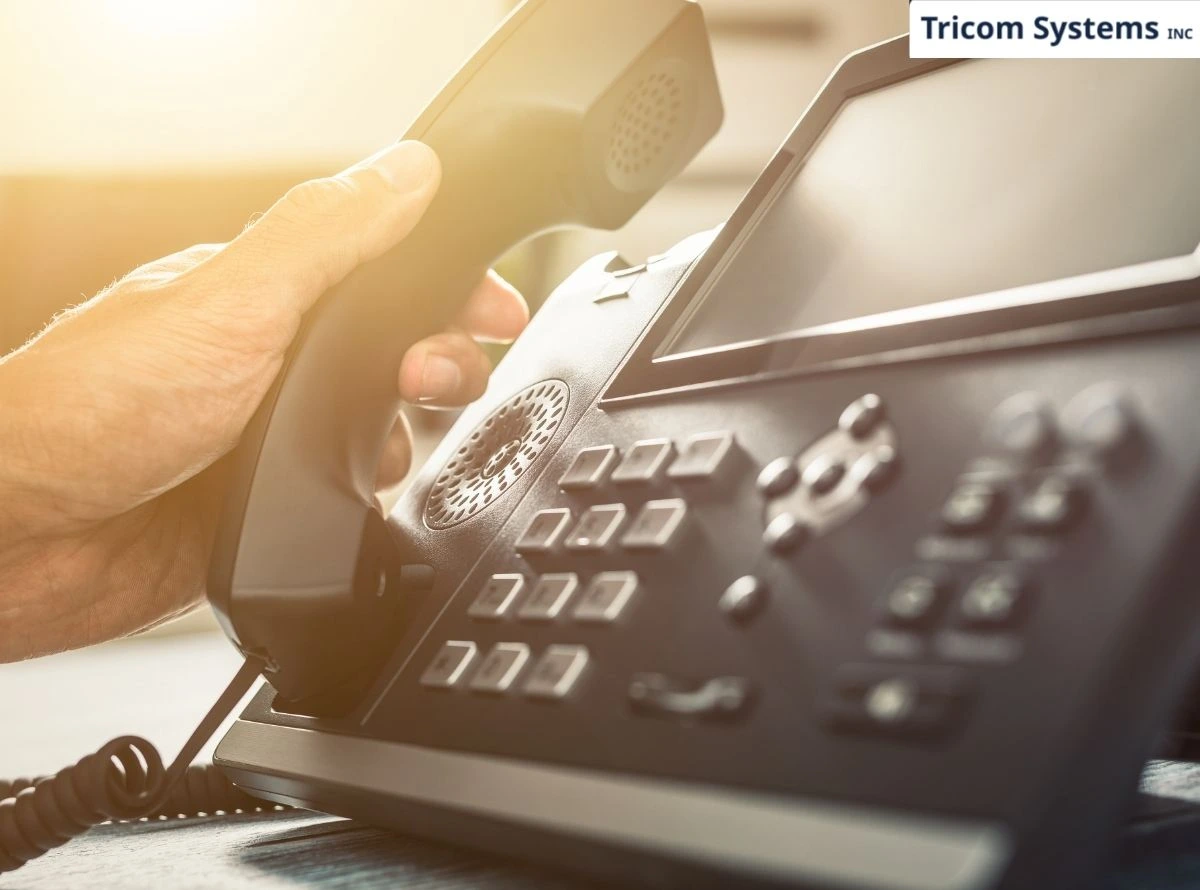
Choosing a phone system sounds like it should be simple. You need phones, they need to ring, and someone needs to answer. But if you have ever tried shopping for business phone systems for a small business, you know it is anything but straightforward. The options are overwhelming, the jargon is thick, and every provider claims to be the best.
The truth is that most small businesses do not need the most expensive system on the market. They need something reliable, easy to manage, and built to grow with them. This guide cuts through the noise so you can figure out what actually works for a business your size and what pitfalls to steer clear of before signing on the dotted line.
Why Your Phone System Matters More Than You Think
For small businesses, every missed call is a missed opportunity. Your phone system is not just a utility, it is the front door of your business. Clients form an impression of your company the moment they hear a ring, a hold message, or an automated greeting.
A solid business telephone system should do more than connect calls. It should:
- Route callers to the right person without making them repeat themselves
- Let your team answer from the office, from home, or from the road
- Provide voicemail, call forwarding, and basic reporting without needing an IT degree
- Scale with you as you add employees or open a second location
When your phone system works well, nobody notices. When it doesn’t, everyone does, especially the customers you are trying to keep.
The Main Types of Business Phone Systems for Small Businesses
Before you start comparing providers, it helps to understand the three main categories you will be choosing from.
Traditional Landline (PBX)
This is the classic setup. Physical hardware lives in your office, and calls run through copper phone lines. It is reliable and does not depend on your internet connection, which is a genuine advantage in areas with inconsistent service. The downside is cost and rigidity. Adding lines means adding hardware, and every change requires a technician visit.
VoIP (Voice over Internet Protocol)
VoIP systems run your calls through the internet instead of traditional phone lines. They are the most popular choice for small businesses in 2026 because they are affordable, flexible, and packed with features. You can use desk phones, softphones on your computer, or mobile apps, all tied to the same business number.
Cloud-Hosted PBX
Think of this as VoIP’s more polished sibling. A cloud-hosted PBX gives you enterprise-level features like auto attendants, call queues, and analytics without any on-site hardware to manage. Your provider handles everything remotely, and you pay a predictable monthly fee per user.
For most small businesses, VoIP or cloud-hosted PBX will be the right fit. Traditional landlines still have their place, but unless your situation specifically demands one, the flexibility and cost savings of internet-based systems are hard to pass up.
What to Look for in a Small Business Phone System
Not every feature matters equally when you are running a team of five versus a team of fifty. Here is what small businesses should actually prioritize:
- Reliability and uptime guarantees. If your phones go down, your business goes dark. Ask providers about their uptime track record and what failover options they offer during outages.
- Ease of setup and daily management. You should not need to submit a support ticket every time you want to add a user or update a voicemail greeting.
- Mobile and remote access. Even if your team works on site today, having remote capability baked in means you are ready for whatever tomorrow looks like.
- Honest, itemized pricing. Know exactly what you are paying per user, per month. Ask what is bundled in and what triggers extra charges.
- A support team that knows your setup. The difference between getting back online in twenty minutes versus twenty hours usually comes down to whether your provider actually understands your environment.
What to Avoid When Choosing Business Telephone Systems
This is where a lot of small businesses get burned. The phone system market is full of polished sales pitches and buried fine print. Watch out for these common traps:
Long-term contracts with early termination fees. Some providers lock you into three or five-year agreements. If the service disappoints or your needs shift, you are paying a penalty to walk away.
“Unlimited” plans that aren’t actually unlimited. Read the fine print carefully. Many so-called unlimited calling plans cap minutes, restrict international dialing, or throttle service after a certain usage threshold.
Cheap hardware bundles that cut corners. If a deal sounds too good to be true, it probably is. Bargain desk phones break faster, deliver poor audio, and often lack compatibility with future system upgrades.
Providers who skip the site assessment. Any provider willing to quote you a price without understanding your office layout, your current wiring, and your internet capacity is guessing. A proper assessment before installation prevents the dropped calls and choppy audio that plague rushed deployments.
One-size-fits-all recommendations. Be cautious of any provider that pushes the same solution on every client regardless of size, industry, or infrastructure. A five-person accounting firm and a twenty-person medical office have very different communication needs. Your system should reflect that.
Is Your Office Actually Ready for a New Phone System?
This is the step that separates a smooth transition from a frustrating one. Before committing to any new business telephone system, you need a clear picture of what your office can actually support.
Key questions to answer before making a move:
- How old is your network wiring? Buildings with outdated cabling may struggle to deliver the consistent bandwidth that voice traffic demands alongside everyday data use.
- Can your internet handle the additional load? Every simultaneous call consumes bandwidth. If your team is already straining your connection with file transfers and video meetings, adding phone traffic on top will create problems.
- Are your switches and router configured for voice prioritization? Without Quality of Service settings in place, your network treats a phone call the same as someone streaming a YouTube video. That is a recipe for terrible call quality.
A reputable provider will walk through all of this with you before recommending a solution, not after you have already signed up and started experiencing issues.
How to Make the Right Decision for Your Business
Choosing business phone systems for a small business comes down to three honest questions:
- How does your team actually communicate today? Map out your real daily usage. How many calls come in? How many go out? Do you need conferencing, call queues, or just basic routing? Start with reality, not a feature wishlist.
- What does your three-year budget actually look like? A low monthly price means nothing if setup fees, hardware costs, and add-on charges double the real expense. Calculate the full picture before comparing options.
- Can you test before you commit? The best providers let you pilot the system with a small group before rolling it out company-wide. If a provider refuses a trial period, ask yourself why.
The Bottom Line
The best business telephone systems for small businesses are not the ones with the longest feature lists or the biggest advertising budgets. They are the ones that work quietly in the background every single day, adapt as your team evolves, and come backed by people who understand that downtime is not an option when you are running a small operation.
Take your time with this decision. Get a real assessment done, ask uncomfortable questions about pricing and support, and do not settle for a provider who treats your business like just another account number.
Frequently Asked Questions
What is the best type of phone system for a small business?
For most small businesses, a VoIP or cloud-hosted PBX system offers the strongest balance of affordability, flexibility, and modern features without the burden of managing physical equipment on site.
How much do business phone systems for small businesses typically cost?
Cloud-based systems generally range from $20 to $50 per user per month, depending on features. Traditional systems carry higher upfront hardware costs but can have lower recurring monthly expenses once installed.
Can I use my cell phone with a business phone system?
Yes. Most modern VoIP and cloud PBX platforms include mobile apps that allow you to make and receive calls using your business number directly from your personal smartphone.
What is the biggest mistake small businesses make when choosing a phone system? Committing to a long-term contract without testing the system first or without having their office infrastructure properly evaluated. Both lead to poor performance and costly exits.
How do I know if my office is ready for a VoIP phone system?
Start with an infrastructure review. Your internet speed, network cabling condition, router configuration, and the number of simultaneous users all determine whether VoIP will perform reliably in your environment.
Tricom Systems Inc. has spent over two decades solving communication challenges for small businesses across Connecticut. Whether you need a full system replacement, a hybrid upgrade, or just an honest evaluation of what you already have, our New Haven-based team handles everything from planning through installation and beyond. No contracts designed to trap you, no cookie-cutter recommendations, just real solutions built around how your business actually operates. Give Tricom Systems Inc. a call and let’s figure out what makes sense for you.
Related reading: How much does a business phone system cost in Connecticut?